
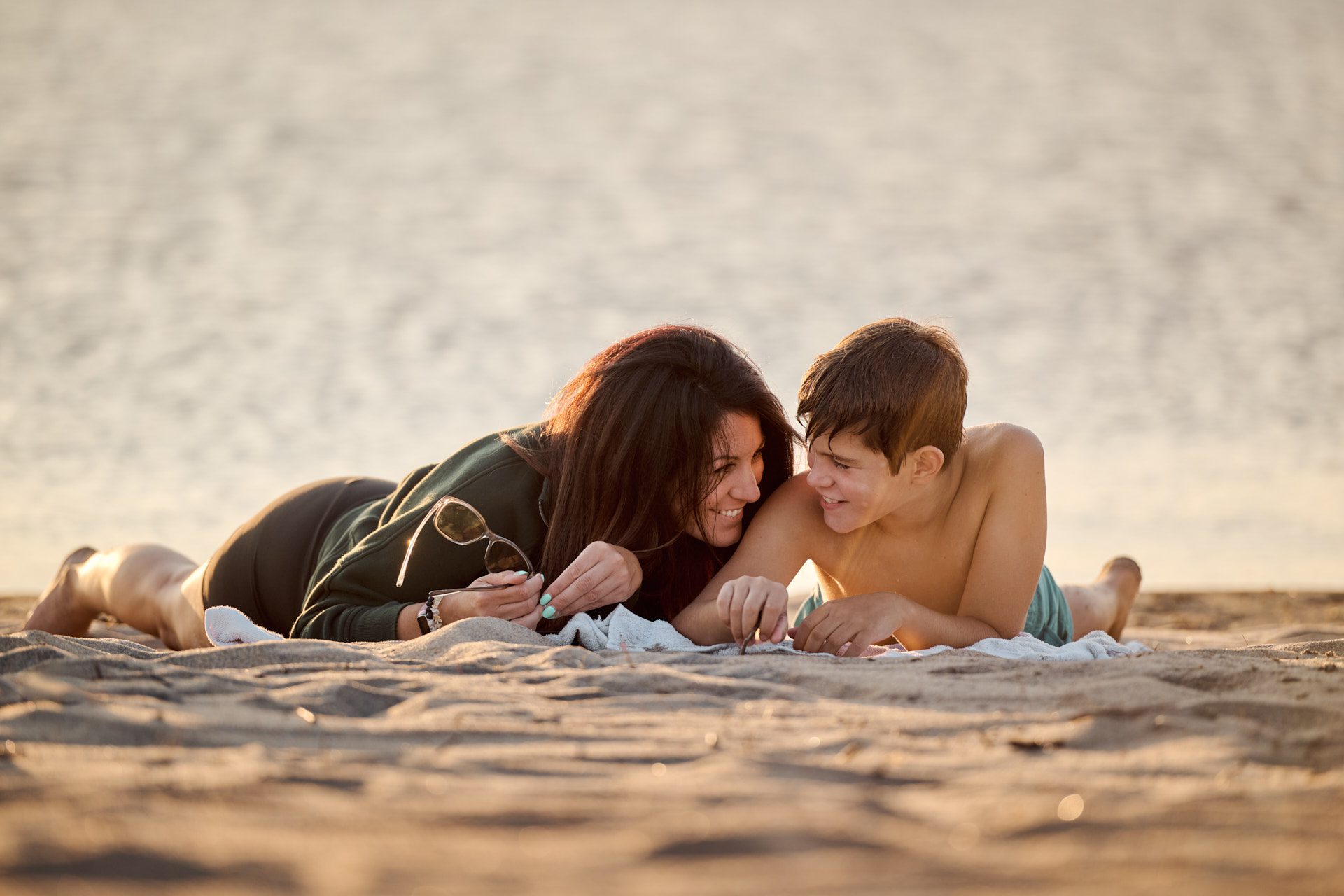
The best lifestyle images and brand content rarely happen when everyone is looking at the camera…
Over the last decade I’ve realized that the strongest lifestyle images rarely come from over-directing my subjects. They come from placing people inside experiences that naturally spark the moments.
That idea has shaped the way I approach lifestyle photography, but it didn’t start with photographing brands. It came from the early days of my career photographing live music.
Before photography became my full-time focus, I spent years working as a live sound and lighting technician in the entertainment industry. So when I first picked up the camera and started shooting more intentionally, it made the most sense for me to re-enter that world. Concerts move fast, lighting changes constantly, and both the performers and the fans are unpredictable. The energy of a room shifts dramatically from one moment to the next.
When you photograph in that environment, you learn quickly that you can’t control the moment. You can try to anticipate it by watching lighting cues or reading body language, but the most powerful images always come from everything unfolding in real time.
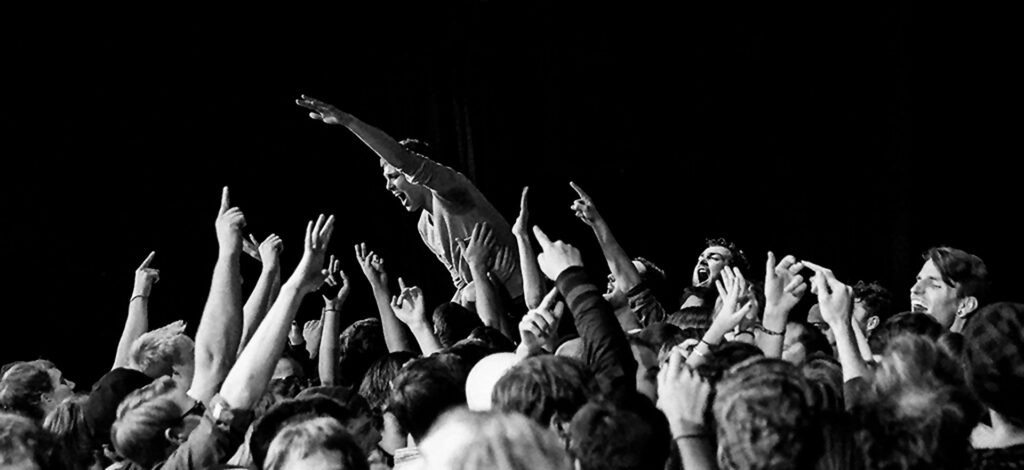
Those photographs carried an energy that couldn’t be manufactured. I tried time and time again to recreate it. Even though they were still images, they felt like there was life and movement to them. Some people might describe that feeling as cinematic. The subjects weren’t performing for the camera. They were living the experience, doing their job which was clearly something they were passionate about, and my camera and I just happened to be there.
That lesson stayed with me as my career evolved.
I later transitioned into corporate events because, let’s get real here, I had bills to pay and it felt like the next step in the evolution. The environment changed, but the principle remained the same. Photographing people speaking on stage introduced a different challenge. Faces change constantly while someone is talking, and a fraction of a second can turn a confident expression into something completely unflattering.
One frame could make a politician or CEO appear joyful and respectable, while the next shot seconds later revealed something completely different. The story that could be told, changed drastically from moment to moment.
But what remained consistent was a feeling of truth. That’s something people crave now more than ever.
The Problem With Over-Staging Lifestyle Content
Most lifestyle productions start with a shot list. Shot lists are extremely valuable. They clarify what a client needs, ensure important ideas aren’t overlooked, and provide a collaborative framework between the brand and the production team. Without some structure, good ideas can easily be overlooked during a busy production day.
The problem is, when the shot list becomes a script, there’s very little room left for anything magical to happen…
When every action is staged and controlled, there’s very little room left for anything unexpected to happen. Most of the people I photograph aren’t actors. They’re architects, engineers, designers, builders, teachers, entrepreneurs, or people interacting with a product in their everyday lives. When they’re asked to perform actions that don’t reflect their normal behavior, the results almost always feel awkward.
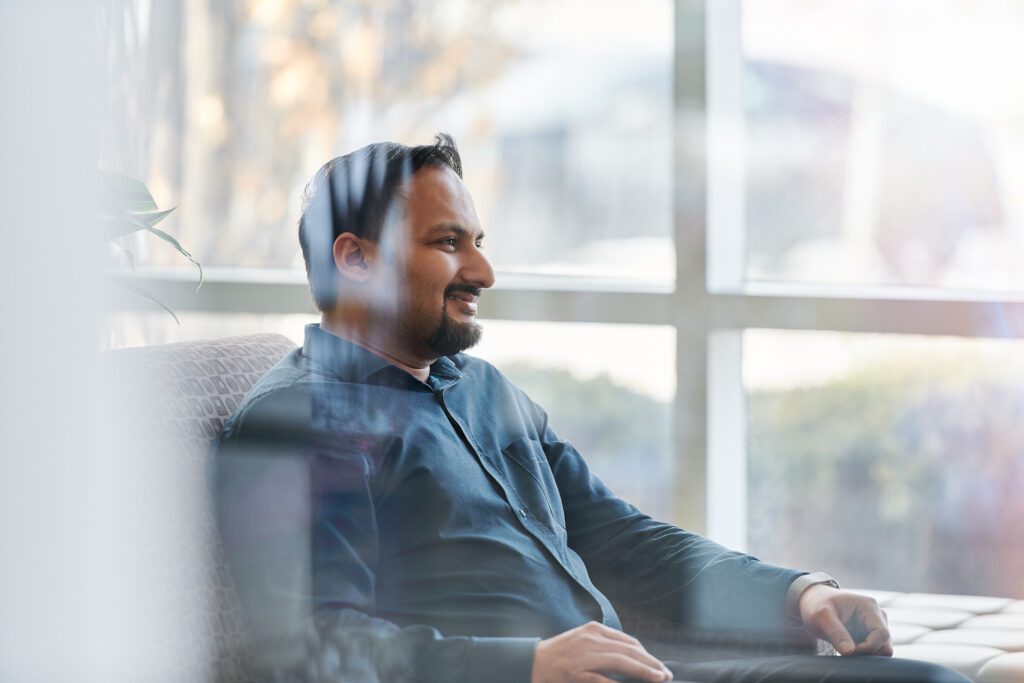
When you closely analyze the details, you can tell something is off. Take a smile for example. When someone is told to smile for the camera, they often only move their mouth while the rest of their face stays tense. Their eyes are wide and disconnected… This is the classic “deer in headlights” look we are all familiar with.
Science actually explains this pretty clearly. A genuine smile, as science categorizes it as the Duchenne smile, activates muscles not only around the mouth but around the eyes as well. The expression spreads across the face because it’s connected to an actual emotional response.
You can guide someone and help them feel comfortable, but you can’t easily manufacture that response with a command. Real expressions come from experiences that trigger them. So the goal is to make your subject laugh. In my case, that usually means embarrassing myself for their entertainment.
Starting With Experience Instead
I rarely think about poses in pre-production. It starts with understanding what a real experience might look like for the subject.
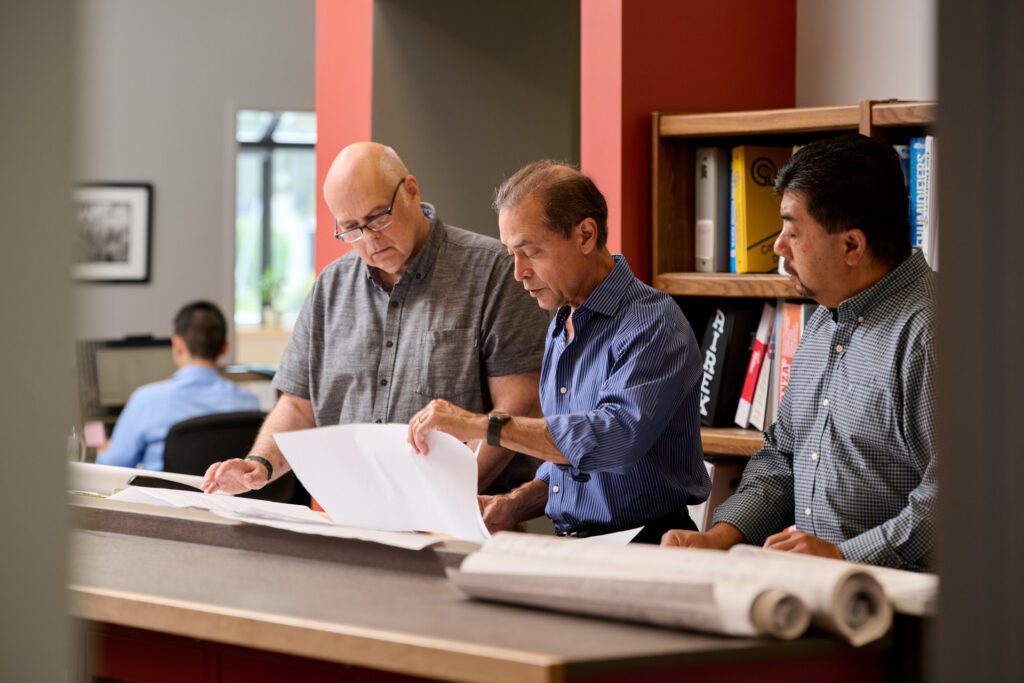
If I’m working with a service-based company, I look at the reality of their work and ask them to perform tasks they already do. Engineers reviewing project plans together. Teams collaborating around a design problem. Coworkers interacting during the natural flow of their day. Situations like this often lead to the most natural moments during a shoot, something you can see in projects like Project Brumar.
If an engineering team still works with paper blueprints throughout their process, that becomes a great place to start. Spread them across a table, gather the team around them, and let the conversation unfold the way it normally would. Moments like that already exist inside the work, which means we don’t have to invent anything.
When the project involves a product, the same principle applies. Instead of placing the product in a fabricated setting, we look for environments where it would naturally exist. Sometimes that means sourcing locations that reflect the lifestyle of the customer. Other times it simply means letting the product be used the way it was designed to be used. It’s all about the person and something tangible for them to interact with. If you ever watched the movie “Talladega Nights” think about the moment Will Ferrell was like “I’m not sure what to do with my hands!?” It’s comedic for sure, but it highlights something real. Not knowing what to do with your hands is one of the most common insecurities people have when a camera is pointed at them.

Why Research Matters in Pre-Production
Preparing for this approach requires a lot of research and observation. In pre-production, I spend time learning how a company operates and what a typical day actually looks like for the people involved. Once I understand what a day in their life looks like, it becomes much easier to design situations where natural interactions can unfold.
Direction still plays an important role. Cameras, lights, and an audience can make people nervous, and most people instinctively begin to act differently when they know they’re on camera. Part of my role is to interact and distract the subjects, helping them relax, and giving them enough clarity that they can return to doing what they normally do.
Once that happens, the real moments begin.
Why Real Moments Create Better Lifestyle Photo and Video Content
Another factor that helps this process is keeping productions relatively small. Large crews can unintentionally change the atmosphere of a space. When too many people are watching, subjects become self-conscious and attention shifts toward everything but the activity itself. Smaller crews allow people to stay engaged in the experience.
This is also where the concept of “play” becomes important. In the book Play, psychiatrist Dr. Stuart Brown explores how play drives creativity, learning, and problem solving. One of his key insights is that when people feel safe enough to play, to experiment, interact, and explore, new ideas emerge naturally.
The same thing happens during the shoot when we allow our subjects to flow freely. When people engage in real experiences instead of trying to perform, the environment becomes more organic. Conversations happen naturally, there’s movement without direction, and the energy on set shifts into something real and productive.
This happens on nearly every shoot where real people are the subjects. It starts with a feeling of overwhelm because they stayed up all night thinking about how much they don’t like to be on camera. Then we get started documenting a team reviewing plans together, discussing a problem they’re trying to solve. They start to forget that there is a production happening around them. They begin to feel more at ease, like “Oh, this is way easier than I thought” and before they know it, we are done that part of the shot list, with lots of options to select from. I always show them the images before we move on and all of a sudden, there is a newfound level of confidence. And that is when the fun truly begins.
No one is thinking about the camera anymore. They’re thinking about the work. And that’s almost always when the image becomes believable.

Why Lifestyle Content That Feels Real Resonates
Most viewers can’t articulate why an image feels believable or staged. When they look at images or watch a movie, they aren’t like most camera operators who analyze lighting, composition, and body language. But they can sense when something feels off. A stiff posture, a forced smile, or a disconnect between a person and their environment subtly communicates that something about the visuals isn’t quite real.
Part of my responsibility as a photographer is recognizing those signals before the audience ever sees them.
This is also one reason user-generated content (UGC) has become so popular. Brands have noticed that audiences often respond strongly to content created by everyday users. When someone films a product on their phone in their own environment, the moment feels organic and unfiltered. It feels less like traditional advertising and more like a friend on a video call saying, “You’ve got to try this.”
People often interpret that rawness as honesty. But UGC isn’t necessarily more truthful because it’s created by a user. Many people producing UGC today are actively trying to become creators themselves, which means the content is still intentional and still designed to influence perception or to improve their own engagements by having the brand reshare their content.
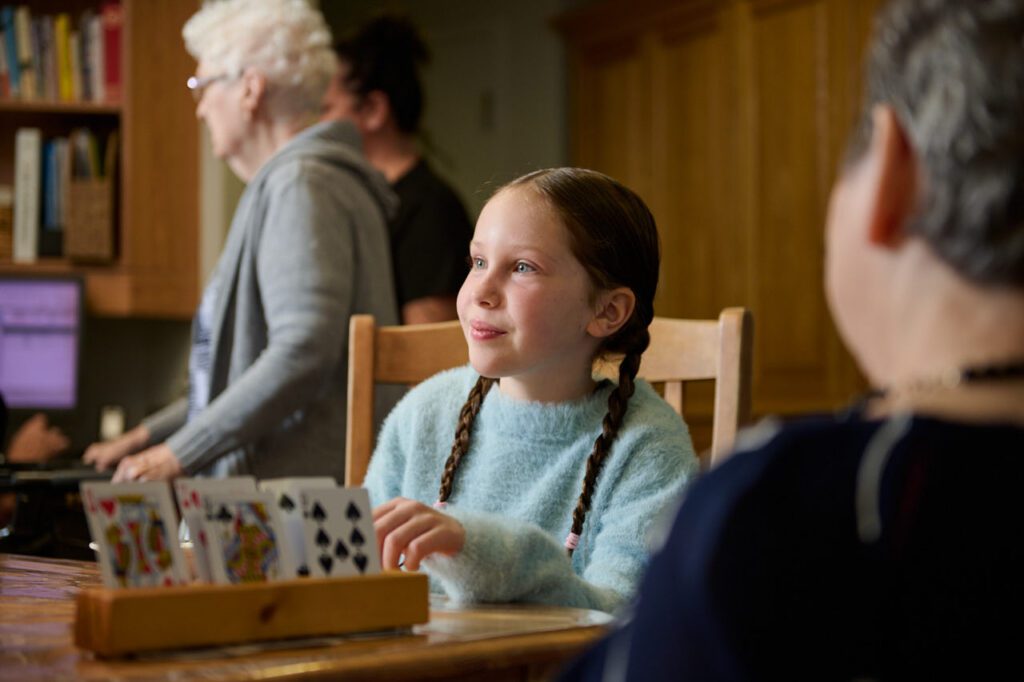
People connect most deeply with moments that feel lived, not performed.
What actually makes it resonate is simpler than most people think. It feels like a real moment instead of a production. This is why you often see creators leaving microphones visible in their videos instead of hiding them in the scene. The idea is that visible production makes the content feel less polished and therefore more real. But it is still edited and structured to control the story. Personally, I find it more distracting than anything else… but not every trend follows logic.
But, let’s get back to the point here. When professional lifestyle photography and video productions begin with real experiences instead of staged poses, the same principle applies. The camera becomes a witness, like you are there actually experiencing it in real life.
In many ways, the rise of UGC has reminded brands of something documentarians have known for a long time…
People connect most deeply with moments that feel lived, not performed.
Creating the Conditions for Real Moments
When people see a product or service existing naturally in the world, it creates context. They can imagine themselves interacting with it and begin to understand how it fits into their lives.
That’s also why the early stages of production matter so much. The most important work often happens before we ever arrive on set. Understanding how a team works, how a product is actually used, and what moments already exist inside a brand’s daily rhythm allows us to design a production that supports real interactions rather than forcing them.
In the long run, brands that embrace this type of storytelling tend to attract people who genuinely align with what they offer. Because they are selling a lifestyle. There is no need to manufacture a narrative that doesn’t exist. The truth of the experience becomes the story itself.
For brands, this approach also changes how lifestyle content is produced. Instead of building artificial scenes and asking people to act inside them, the production process begins by designing real situations where genuine interactions can happen. When lifestyle content starts from that place, the results tend to feel more believable, more relatable, and ultimately more valuable for long-term marketing.
This is also how I approach brand content productions with the companies I work with, focusing on experiences first and letting real moments unfold naturally.
Because when those moments appear, they carry something staged imagery rarely does…
They carry truth…

Leave a Reply


For Architects, Interior Designers, & Custom Homebuilders
Pre-Shoot Checklist
Real experiences create something staged content cannot. When people interact naturally with a space, product, or service, the result is imagery that feels lived in, relatable, and far more meaningful to your audience.
Real Experiences

Why Real Experiences Create Better Lifestyle Content for Brands
Still images document a project, but video brings it to life. By adding motion, pacing, and perspective, you can communicate the experience of a space in a way that feels more immersive and engaging.
adding video

Why Every Interior & Architectural Shoot Should Include Video
Creating content without a plan often leads to scattered results. This blueprint focuses on building a structured approach that helps you create with intention, stay consistent, and develop a library of visuals that supports your work over time.
Planning Content

The Content Creation Blueprint
Cost-sharing is a simple way to get more out of your investment in photography and video. By collaborating with other contributors on a project, you can reduce costs, streamline the process, and create a cohesive set of visuals that benefits everyone involved.
COST-sharing

Cost Sharing: A Guide for Architects, Interior Designers & Home Builders

Getting started is rarely the problem. It is the waiting, overthinking, and searching for the right moment that holds most people back. This piece looks at why progress often begins long before we feel ready, and what it actually takes to move forward.
Creative Perspective
Be the first to comment